

We are in the new era of agriculture, an era that is based on the principles of sustainability and harmony with nature. Here, instead of forcing the earth to bend to our will, we work with it, allowing its natural cycles to guide our efforts. This is the essence of Organic Agriculture.
Organic farming: a revival of ancient farming methods
What is organic farming?
Organic farming is a form of farming that focuses on producing food in the most natural way possible. This practice moves away from conventional farming methods that rely heavily on chemicals and artificial technologies, turning towards a more balanced and sustainable approach. Rather than trying to dominate nature, organic farmers work with it.
Pillars of organic farming
Organic Agriculture is based on three fundamental pillars:
- Sustainability: This approach focuses on the efficient use of natural resources and minimizing environmental impact.
- Biodiversity: Organic farming systems favor biological diversity, creating a balanced and resilient ecosystem.
- Food quality: Food produced through Organic Agriculture is usually more nutritious and free of chemical residues.
Ecological agriculture in action
Now that we’ve broken down the pillars, it’s time to look at how Organic Farming is put into practice. Organic farmers employ a variety of techniques to maintain soil health, control pests, and produce high quality food. Some of these techniques include crop rotation, the use of organic fertilizer, and the integration of animals into the farm system.
Benefits of organic farming
For the environment
Organic farming has a significantly lower impact on the environment compared to conventional agriculture. By avoiding synthetic pesticides and fertilizers, water and soil pollution is reduced. In addition, organic farming systems promote biodiversity, helping to maintain healthy ecosystems.
For human health
Organic products are generally healthier. They are free of chemical residues and often contain more nutrients than their conventional counterparts. In addition, by promoting a cleaner environment, Organic Agriculture can help improve the overall health of communities.
For the local economy
By supporting organic farmers, we are also investing in our local economies. These farmers often sell their products locally, which means the money stays in the community and helps strengthen the local economy.
Meeting the challenges of organic farming
Pest mitigation
One of the biggest challenges in organic farming is pest control. However, organic farmers have developed various strategies for this, including crop rotation, the use of pest-resistant plants, and the introduction of natural predators of pests.
Education and awareness
Despite the many benefits of Organic Agriculture, many consumers and farmers are still unaware of these. Therefore, it is crucial to educate the public about the benefits of organic farming and how it can help create a more sustainable future.
Market access
Another challenge is access to markets. Organic farmers often face difficulties in accessing local and global markets. It is important to work on policies and strategies that facilitate market access for these farmers.
Fervalle organic fertilizers
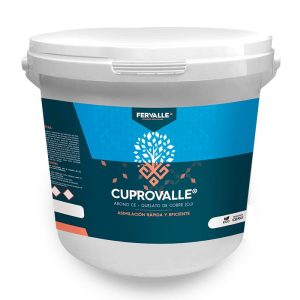
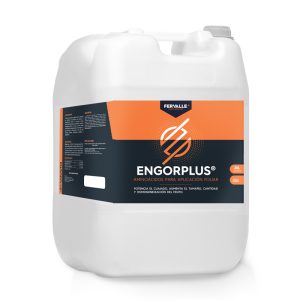
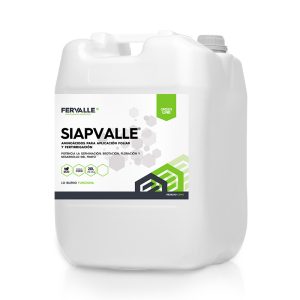
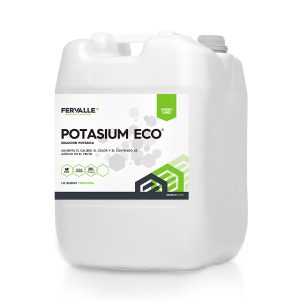
At Fervalle we have developed an extensive catalog of high performance functional organic fertilizers that have the organic certifications of SOHISCERT, ECOCERT, CAAE and DEMETER.






FAQs about Organic Farming
¿Qué diferencia a la Agricultura Ecológica de la agricultura convencional?
¿Es la Agricultura Ecológica más costosa?
¿Son los productos de la Agricultura Ecológica más saludables?
¿Es la Agricultura Ecológica lo mismo que la agricultura orgánica?
En el mundo anglosajón, se tiende a usar el término “orgánico” para referirse a la agricultura, mientras que en España preferimos hablar de “agricultura ecológica”. Además, los franceses usan otro término más en esta lista de sinónimos: la “agricultura biológica”.
¿Es la Agricultura Ecológica suficiente para alimentar al mundo?